
Concussion Baseline Testing
Baseline Testing Explained
Baseline testing works by testing an individuals brain function when they are non-concussed (usually pre-season), so that you can compare to their individual normal if they get concussed in the future. When baseline data is not available, practitioners rely on average population data when making concussion diagnosis and return to play decisions. It is recommended for anyone involved in sports that places them at risk for a concussion injury.
Simply put, baseline testing reduces some of the serious risks around a concussion injury (misdiagnosis and returning too soon) by using individualized testing references instead of “average” population references. The worst thing that can happen with a concussion is not the concussion injury itself, but being returned to play while the brain is still vulnerable and suffering additional brain injury.
The vast majority of concussion rehabilitation professionals utilize baseline testing data when available, and nearly all professional teams in contact sports require pre-season baseline testing (for ex. every NFL team is required to use it). Most concussion guidelines also supports baseline testing as a helpful part of concussion safety protocols in contact sports.
Baseline testing is an optional but strongly recommended part of concussion safety and awareness for athletes in contact sports.
Case example: Baseline vs Average data - Balance testing
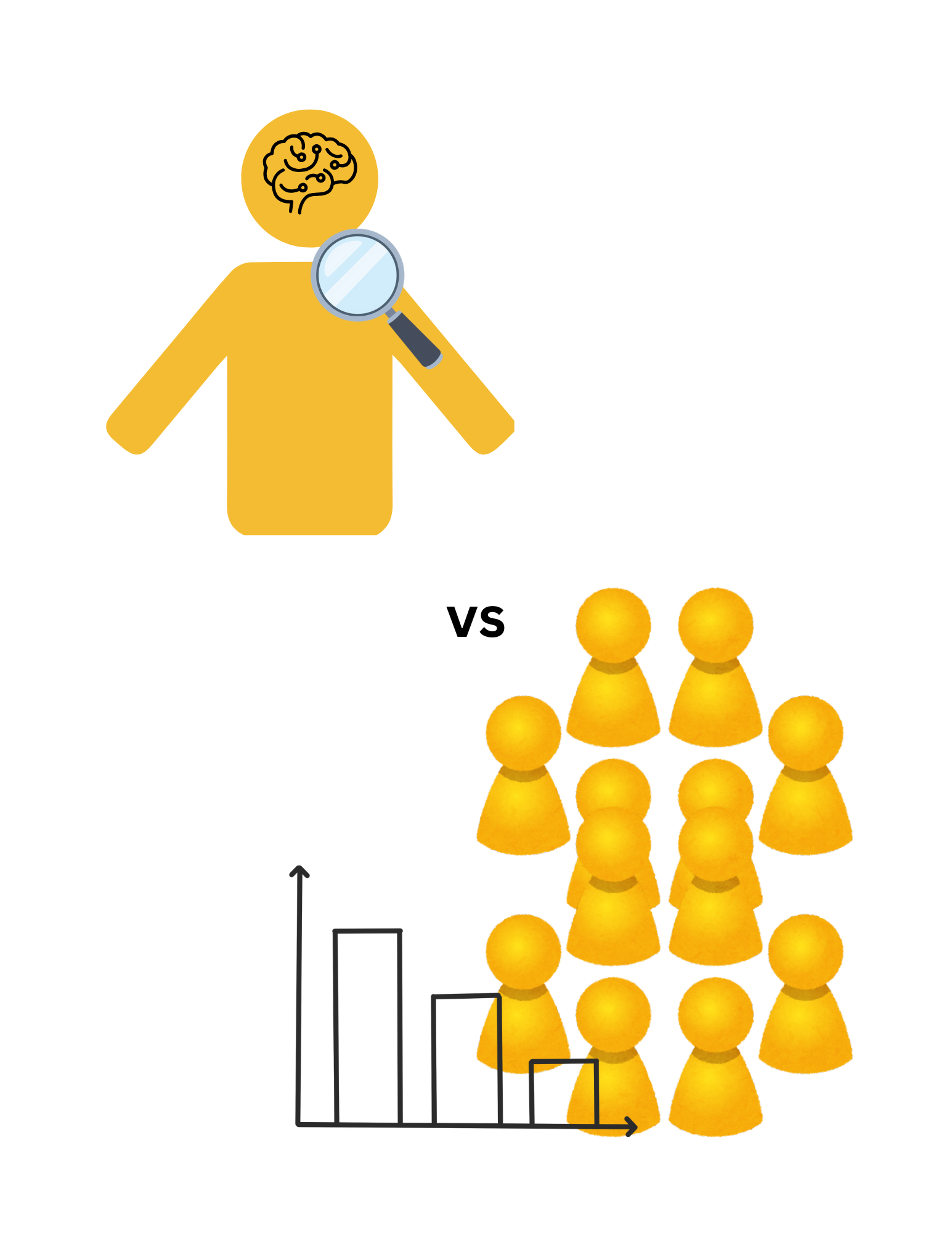
Baseline testing uses individualized brain function data to treat concussions. Without it, population averages are used when diagnosing a concussion or returning an athlete to play..
Balance testing is known for being quite reliable for ruling in a concussion when done within a week after the injury. Let’s use it as an example to understand how baseline testing is used compared to average population data in a concussion diagnosis scenario.
Balance Error Scoring System (BESS) - gold standard for balance testing on baseline and in concussion diagnosis
Average population data among high school athletes (age 14-18) - 17.64 errors out of 30 on average plus or minus 7.52 (ranges from ~10 to ~24)
Individual baseline data for “Riley” (age 16) - pre-season baseline testing shows 13 errors out of 30
Scenario 1 - No baseline test
“Riley” takes a bad hit in hockey and is pulled from play. He is concussed. He is sent for a concussion evaluation.
The practitioner is unsure if a concussion has occurred based on symptoms alone. He uses BESS, and finds Riley scores 17 errors out of 30.
This is an average score for his age in non-concussed athletes.
The practitioner concludes that he is probably not concussed because his balance test is so similar to that of non-concussed athletes his age. Riley is told to rest for a day or two and go back to hockey, putting him at significant risk for an additive brain injury.
Scenario 2 - Baseline test
“Riley” takes a bad hit in hockey and is pulled from play. He is concussed. He is sent for a concussion evaluation.
The practitioner is unsure if a concussion occurred based on symptoms alone. Fortunately, Riley had a baseline test done pre-season. The practitioner uses BESS, and finds Riley scores 17 errors out of 30.
This is an average score for his age in non-concussed individuals, but Riley’s balance is very good for his age and he normally scores at 13 errors.
By referencing Riley’s baseline, the practitioner sees that Riley should normally score better than average. He sees that Riley’s brain function may be altered, and continues testing and proceeds with caution on clearing Riley for return to play.
What does Concussion Baseline Testing measure?
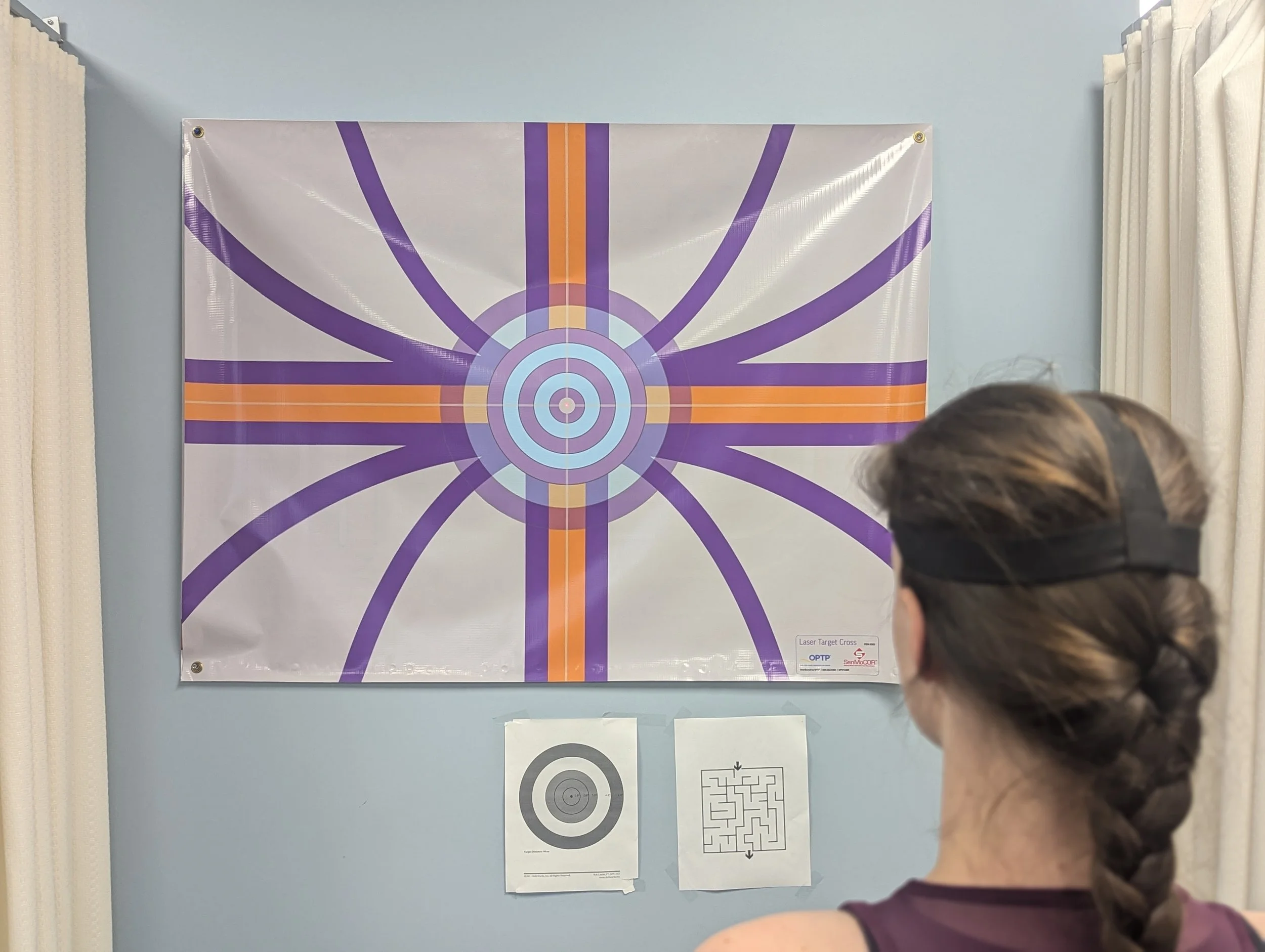
Our baseline testing protocol at Optimum Sport includes the following:

-
Our protocol measures:
Immediate memory
Delayed memory
Concentration
Orientation
Verbal processing speed
Dual motor-cognitive task processing
-
Our protocol uses the balance error scoring system (BESS), by measuring the following:
Double leg balance eyes open or closed
Tandem balance eyes open or closed
Single leg balance eyes open or closed
-
In addition to balance, we test dynamic balance and vestibular function further through the following:
Tandem Gait Single Task
Tandem Gait Dual Cognitive Task
-
Our protocol measures:
Visual processing speed (King-Devick test)
Rapid eye movement, smooth pursuit, convergence, accommodation
-
Our protocol uses:
Post-concussion symptom score. This is a validated questionnaire that scores 22 possible concussion symptoms from 0-6 for a total score out of 132 and a symptom number out of 22.
-
Our protocol uses:
Reaction time test over 5 trials with average reaction on drop test recorded.
Our protocol uses research studies and guidelines as a template, with tweaks and additions based on our clinical experience in treating concussions.
How is the Baseline Data used?
Immediately following injury:
Right after injury, an athletes coaches and trainers can reference their symptom and balance baseline data to help decide if removing them from play is right. In this scenario, baseline testing is used on the sidelines to reduce the risk of returning an already concussed athlete to play and causing worse brain issues.
When making a Concussion diagnosis:
When a healthcare practitioner (medical doctor or chiro/physio trained in concussion rehab) is doing a concussion evaluation. There is no single test or symptom to diagnose a concussion, so we rely on various sources of information. Practitioners look at things like symptoms, balance, vision, and vestibular tests to determine if a concussion has occurred. With a baseline test, they can know what exactly is normal for the individual. Without a baseline test, they will use population average data. In some cases, it will be obvious a concussion has occurred and baseline data won’t be needed, while in others, things are unclear as symptoms may be mild or may be attributed to other things like neck injury. In these unclear cases, the risk of a concussion diagnosis being missed increases.
As part of return to play / clearance testing:
When a healthcare practitioner is deciding when a concussed athlete is ready to for full clearance, they rely on information from various sources to gauge how well the brain has healed. As with diagnosis, there is no single thing that shows healing has occurred, so practitioners look at symptoms, function, and special tests (vision, vestibular tests, etc.) to make a decision. With baseline data, we can know exactly where the brain needs to get back to, or in other words what is “normal” for that individual and when they are ready. Returning an athlete without baseline data is more like checking boxes that reflect brain healing, then clearing an athlete to play when enough boxes are checked and risk is deemed low enough.
Surprisingly, baseline testing can often lead to sooner return to play times. This is because by referencing normal data for that individual, we can be more sure when they are ready and understand what symptoms and tests are safe to ignore (ie. non-concussion related). Without a baseline, the only reasonable choice is often to delay return until we are extra sure or all the boxes have been checked, as we don’t want to cause additional brain injury or prolonged concussion healing.
Booking Concussion Baseline Testing at Optimum Sport
For individuals:
Reach out at 604-703-6470 to inquire about baseline testing.
For teams / group testing:
Email drvandewall@gmail.com with your team information and the number of players that would like to be tested.