
Low Level Laser Therapy
What is Low Level Laser Therapy?
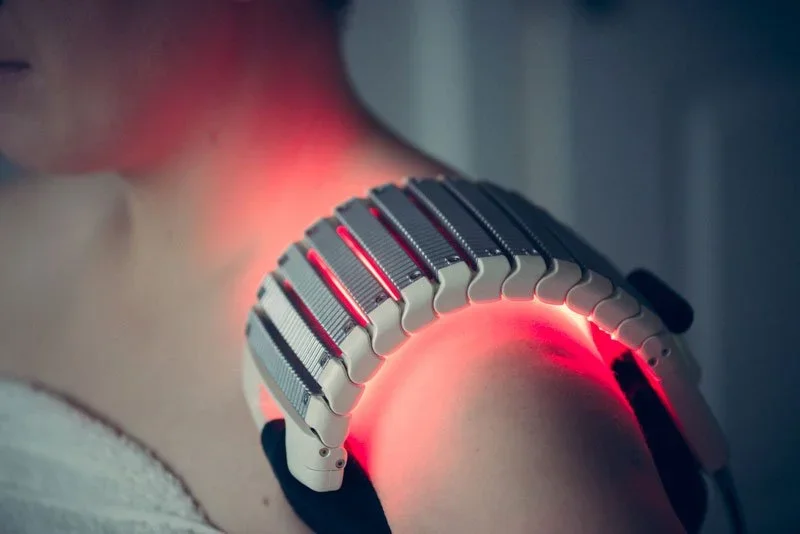
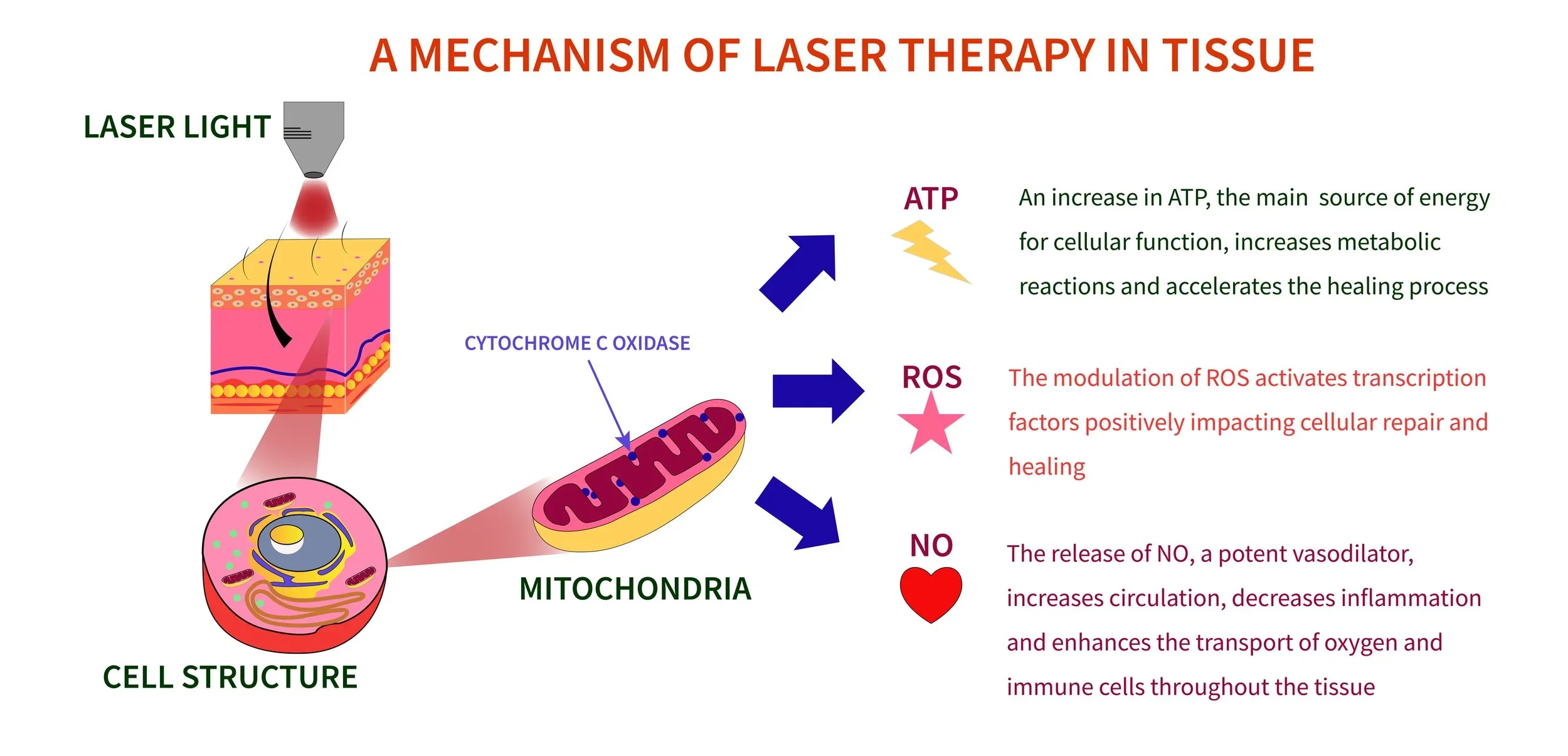
Low level laser therapy, also known as cold laser or class 3B laser therapy, is a modality that uses light energy to stimulate tissue healing. Our cells have light receptors (called photoreceptors) that pick up the lasers light energy, much like how our skin produces vitamin D by reacting to UV light from the sun. These photoreceptors are tightly linked to the speed of tissue metabolism (in certain cell types, tissue healing), and stimulating them speeds up how quickly our tissues heal. In biochemical terms, light energy is converted into chemical energy to speed up tissue metabolism.
Laser therapy can be applied to most tissue types, but work best when the light energy is able to penetrate deep enough to be absorbed. For that reason, laser therapy works best for extremity injuries such as shoulder, knee, elbow, foot, and hand issues. It also seems to work best on more recent (acute) injuries that have more inflammation. This is because laser directly targets the cells involved in getting through the inflammatory process. Cold laser specifically is a type of laser therapy that does not generate heat, so there are no known adverse effects of using. The only precaution is that the light needs to be kept away from the eyes, so safety glasses are worn for eye protection.
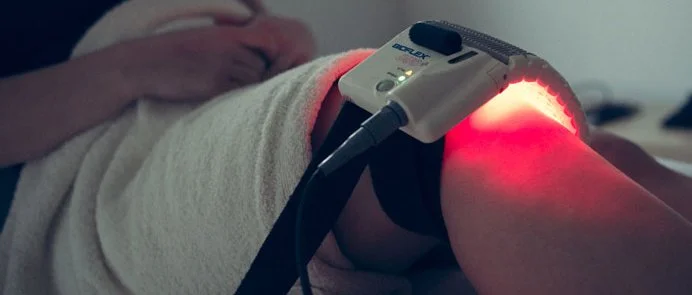
Laser therapy is used to:
Decrease pain and inflammation
Improve tissue healing times / reduced recovery times
Improve blood flow & circulation
When does low level laser therapy work best?
When an issue is new, flared up, or inflamed.
When the area being treated is more superficial (ie. closer to the surface), such as with a shoulder, knee, ankle, or elbow issue.
When the correct protocol is followed - research shows that the right laser settings for the issue at hand (wavelength, frequency, probe points, etc.) plus the right treatment schedule heavily influence the results.
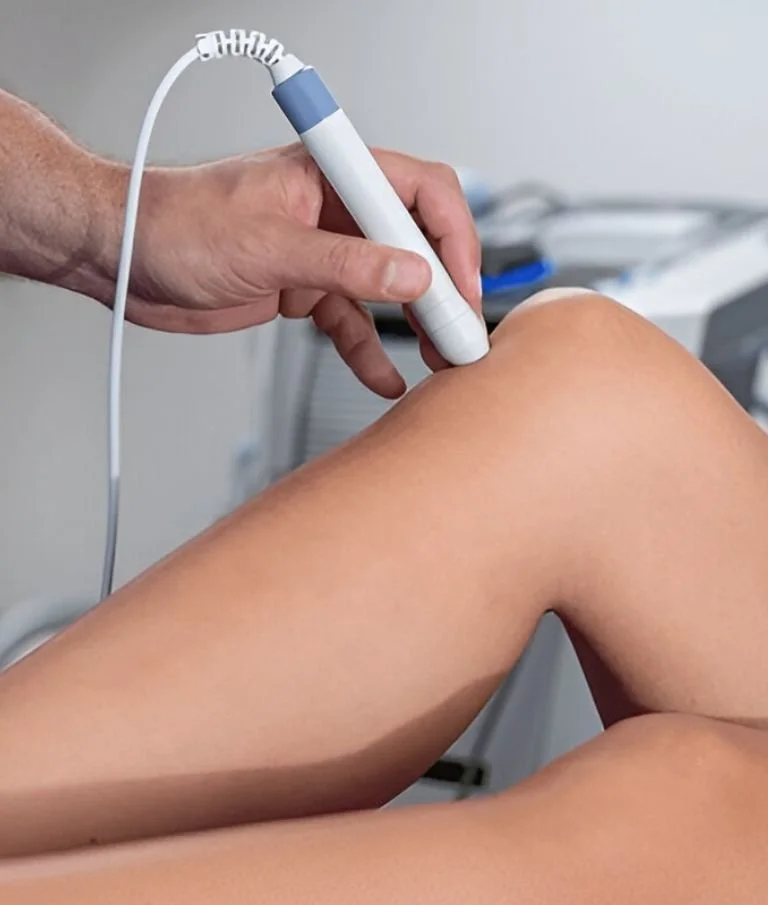
Studies show low level laser therapy is most effective for:
Below are common conditions helped by laser therapy. All of the following conditions have placebo-controlled research supporting laser therapy as an effective option for relieving pain and improving function. Laser therapy can either used as an add-on to other treatments and rehab, or as a stand-alone treatment in some cases. Most studies suggest a trial period of 3-4 treatment sessions, up to a total of 6-12 depending on the injury severity. The average number of treatments is around 4-6.
Acute Tendon Injuries
Achilles tendinitis, tendinosis, or rupture (post-op or conservative rupture healing with boot)
Tennis or golfers elbow
Rotator cuff tendinitis, tendinosis, or tears
De Quervains Tenosynovitis & other wrist or hand tendon injuries
Jumpers knee (Patellar tendinitis)
Acute muscle strains
Various upper extremity strains - biceps, triceps, forearms, etc.
Various lower extremity strains - quad, hamstring, adductors, calves, etc.
Acute ligament sprains
Knee sprains - medial collateral ligament (MCL), lateral collateral ligament (LCL) sprains
Ankle sprains - ATFL, deltoid ligament sprains
Elbow sprains - ulnar collateral ligament (UCL), lateral collateral ligament (LCL) sprains
Shoulder sprains - AC sprain or tear
Wrist sprains - carpal ligament sprains
Bursitis
Elbow, knee, heel, and hip bursitis
Impingement Syndromes
Sub acromial Impingement Syndrome / Shoulder Impingement
Various peripheral nerve entrapments in the extremities - carpal tunnel syndrome, pronator teres syndrome, tarsal tunnel syndrome, etc.
Heel Pain
Plantar fasciitis
Chronic tendon, muscle, or ligament injuries
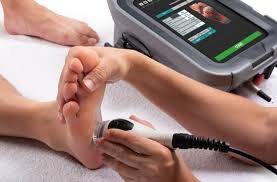
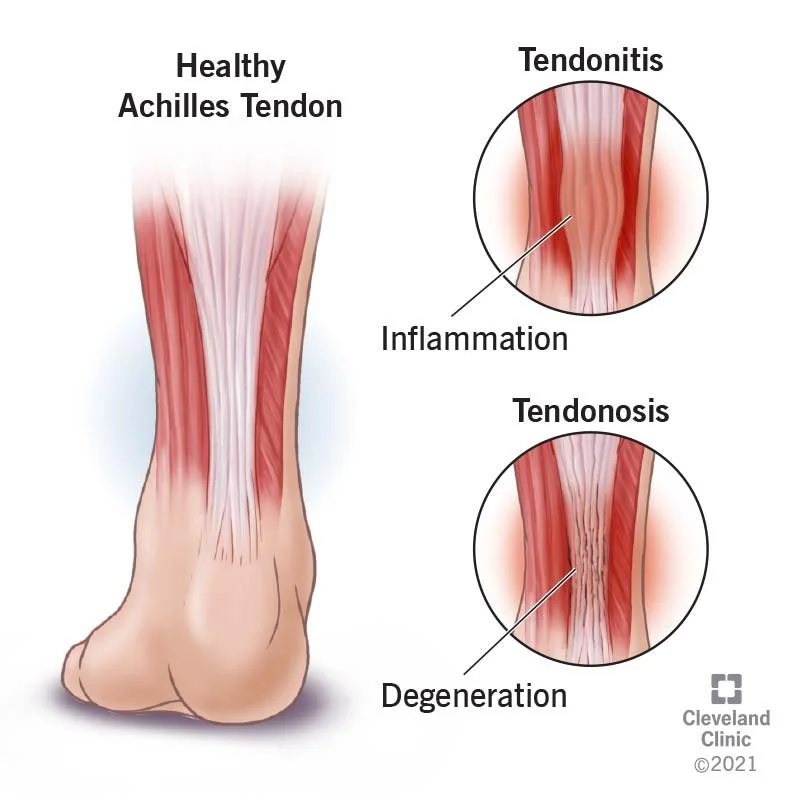
Studies also show that level laser therapy is helpful in reducing pain and disability from chronic soft tissue and joint injuries. In these cases, laser is best used to support other treatments and rehab as not as a stand-alone therapy. Because these are chronic issues with more tissue injury and repair needed, the average number of treatments goes up to around 6-8.
Chronic issues that studies have shown benefit from low level laser therapy / class 3B laser / cold laser
Osteoarthritis of the knee, ankle, elbow, and hand
Chronic tendon, muscle, and ligament injuries
Chronic neck pain with or without nerve impingement
Chronic low back pain with or without nerve impingement
Booking a Low Level Laser Therapy Appointment
Note that laser therapy is not bookable online, and is offered on a case-by-case basis.
If you are an existing patient of Dr. van de Walls, book a regular chiropractic visit to discuss whether or not laser therapy would be helpful for your issue.
If you are not a current patient of Dr. van de Walls, book an initial chiropractic visit for a full assessment, treatment, and to discuss whether or not laser therapy would be helpful for you.
Interested in laser therapy or have questions?